

What is backflow?
Backflow is the unwanted reversal of water flow in a plumbing system. Instead of moving from the public water supply toward faucets, fixtures, and appliances, water can move backward and carry contaminants into drinking-water pipes.
Under normal conditions, water pressure keeps flow moving in the intended direction. Backflow becomes possible when that pressure changes or when pressure in a connected plumbing system becomes greater than the pressure in the supply line.
Backflow is not usually visible. Water may look clear even if it has been affected by chemicals, fertilizers, dirty water, boiler treatment, or microorganisms. That is why preventing backflow is treated as a public-health issue rather than only a plumbing concern.
How can backflow happen?
Two basic pressure conditions cause most backflow events: backsiphonage and backpressure.
Backsiphonage occurs when pressure in the drinking-water supply drops below the pressure in a connected fixture or container. The effect is similar to drinking through a straw: a partial vacuum can draw water or another liquid backward into the supply piping.
A pressure drop may occur because of:
- A water-main break
- Emergency firefighting activity
- Water-main repairs or maintenance
- A sudden increase in demand
- Pump failure
- A temporary interruption in service
Backpressure occurs when pressure in a connected system becomes higher than the pressure in the drinking-water supply. This can happen with pumps, boilers, pressurized tanks, irrigation systems, or other equipment.
For example, heated water in a boiler system can expand and increase pressure. If the plumbing connection is not properly protected, boiler water could be pushed into piping intended for drinking water.
What is a cross-connection?
A cross-connection is an actual or potential link between potable water and a source that may contain unsafe or unknown substances. The connection may be permanent, temporary, intentional, or accidental.
Common residential examples include:
- A garden hose submerged in a pool, bucket, utility sink, or cleaning solution
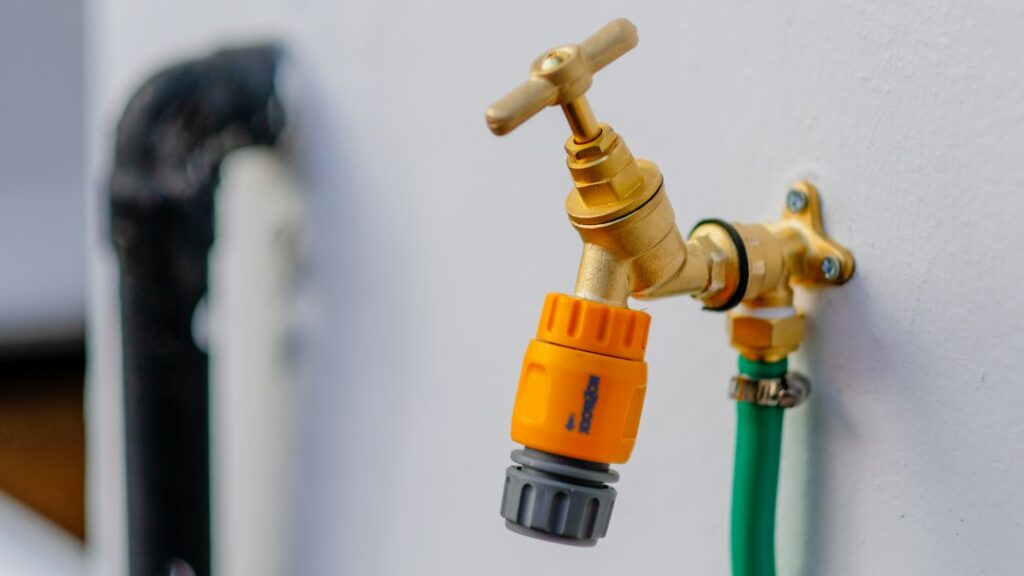
- An outdoor faucet connected to a hose-end chemical sprayer
- An irrigation system connected to the household water supply
- A boiler or hydronic heating system
- A water-softening or treatment system installed incorrectly
- A hose placed into a drain or other contaminated area
- A toilet tank or fixture with an unprotected connection
A cross-connection does not automatically mean contamination has occurred. It means a pathway exists through which contamination could enter if water pressure changes.
Why is backflow a problem?
Backflow can introduce contaminants into a home, a building, or a larger section of the public water system. The potential hazard depends on what is connected to the drinking-water piping.
Possible contaminants include:
- Cleaning chemicals
- Lawn and garden products
- Fertilizers and pesticides
- Wastewater
- Microorganisms
- Water from swimming pools or hot tubs
- Boiler additives
- Fluids used in commercial or industrial processes
The risk is greater when the substance is toxic, infectious, corrosive, or difficult to detect. A small amount entering a plumbing system can affect more than the property where the cross-connection exists.
Backflow incidents may also go unnoticed. A change in pressure can be brief, and contamination may not produce an unusual color, smell, or taste. Preventive controls are therefore more reliable than waiting for visible warning signs.
How do backflow preventers work?
A backflow preventer is a plumbing device or assembly designed to stop water from flowing in the wrong direction. The correct type depends on the hazard, the plumbing arrangement, and whether backpressure is possible.
Some devices use check valves to allow flow in one direction. Others use air relief, pressure zones, or a physical air gap between the water outlet and the receiving container. An air gap is often considered a strong form of protection because it prevents a direct connection between the water supply and the substance receiving the water.

Different situations may require different protection, including:
- Vacuum breakers for certain backsiphonage risks
- Double-check valve assemblies for appropriate lower-risk applications
- Reduced-pressure-zone assemblies where a higher level of protection is needed
- Air gaps where physical separation is practical
A simple check valve is not automatically suitable for every situation. The device must match the hazard, and testable assemblies must remain accessible for inspection and testing.
What does this mean for homes in Waterford?
Waterford has a local cross-connection control program covering residential and commercial water accounts. Residential properties may be inspected periodically, while commercial inspection schedules can vary according to the property’s use and plumbing fixtures.
The local program also identifies certain backflow prevention assemblies for periodic testing. Based on the local program information, residential testable devices are generally tested every three years, while commercial testing may be required annually. Requirements can differ depending on the type of device, the hazard, and the water account.
These inspections are not a sign that a property has caused contamination. They are part of a preventive system intended to identify plumbing conditions that could allow backflow during a pressure change.
Older homes, remodeled properties, seasonal plumbing, and do-it-yourself installations deserve particular attention. A hose connection, irrigation modification, boiler installation, or fixture replacement may create a cross-connection if the plumbing is not arranged and protected correctly.
Seasonal conditions can also matter. Outdoor hoses and irrigation equipment may be connected and disconnected during spring and fall, while freezing temperatures can damage exposed plumbing and backflow devices. A damaged assembly may not provide reliable protection when the system is returned to service.
What can residents do to reduce the risk?
Residents can lower the chance of a cross-connection by keeping simple habits in place:
- Keep hoses above the highest possible water level in sinks, tubs, buckets, and containers.
- Do not submerge a hose in a pool, spa, rain barrel, or cleaning mixture unless the connection is specifically protected.
- Use appropriate protection on outdoor hose connections.
- Do not bypass, remove, or alter a backflow prevention assembly.
- Keep testable devices accessible and protected from freezing or physical damage.
- Have irrigation, boiler, and other specialized systems installed according to applicable plumbing requirements.
- Pay attention to inspection or testing notices from the local water program.
- If water pressure changes suddenly or a water-main emergency occurs, follow any local water-use instructions.
A backflow preventer is not a substitute for eliminating an unnecessary cross-connection. Where a direct connection can be removed, separation is generally safer than relying only on a mechanical device.
What should happen if a backflow device fails?
A failed or leaking device should not be ignored or bypassed. The assembly may need repair, replacement, or testing by a properly qualified tester, depending on its type and the applicable requirements.
Residents who suspect contamination should avoid drinking or cooking with the affected water until guidance is provided by the local water authority or another appropriate public-health resource. Boiling water does not remove every possible contaminant, particularly chemicals and other non-biological substances.
Backflow prevention works best as a combination of sound plumbing, physical separation, properly selected devices, regular testing, and awareness of how everyday activities can connect drinking water with other liquids.