

What is a cross-connection?
In Waterford, MI, a cross-connection is any physical or indirect link between safe drinking water and a substance that could contaminate it. The connection may be obvious, such as a hose submerged in a bucket, or hidden inside plumbing equipment, irrigation systems, boilers, or treatment devices.
A cross-connection becomes a hazard when contaminated water flows backward into the drinking-water system. That reversal is called backflow.
Under normal conditions, water pressure keeps water moving from the public supply toward household fixtures. Pressure can change, however. A water main break, firefighting activity, nearby construction, a plumbing failure, or a pump operating inside a building can create conditions that allow water to move in the wrong direction.
How does backflow happen?
Backflow generally occurs in one of two ways:
- Backsiphonage: A drop in supply pressure creates suction, similar to drinking through a straw. Water or another liquid connected to a hose or fixture may be pulled into the potable-water piping.
- Backpressure: Pressure inside a private plumbing system becomes higher than the pressure in the public water supply. This can happen because of pumps, elevated tanks, boilers, or other equipment.
A garden hose left in a swimming pool, utility sink, bucket of cleaner, or fertilizer container is a common example. If pressure changes, the liquid at the hose end could be drawn into the home’s water piping.
The hazard is not limited to outdoor hoses. Contaminated water can come from heating systems, chemical feed equipment, lawn irrigation, sewage-connected fixtures, livestock areas, and medical or commercial equipment.
Which household situations create cross-connection risks?
Many risks are created during ordinary chores rather than through major plumbing failures. Common examples include:
- Leaving a hose submerged in a pool, hot tub, pond, or cleaning bucket
- Attaching a pesticide, herbicide, fertilizer, or soap-dispensing device to a hose
- Connecting a boiler or hydronic heating system without suitable protection
- Using an irrigation system with inadequate backflow protection
- Filling a decorative pond or water feature with a hose that remains underwater
- Installing water-treatment equipment incorrectly
- Connecting an auxiliary water source to household plumbing
- Using a handheld shower, utility hose, or pull-out faucet below the flood level of a basin
- Allowing a hose to rest on the floor near sewage, chemicals, or other contaminants
Older homes may have more opportunities for hidden cross-connections because plumbing systems have often been modified over many years. Remodeling, basement finishing, sprinkler installation, and do-it-yourself repairs can also create connections that were not part of the original design.
Why is a backflow preventer needed?
A backflow preventer is a plumbing device designed to stop water from flowing backward. The correct device depends on the type of hazard, the plumbing arrangement, and the level of risk.
Some protection is built into a fixture. A hose connection may include a hose-bibb vacuum breaker, for example. Other situations require a separate assembly installed on a supply line.
Common types include:
- Air gaps: A physical separation between the water outlet and the receiving container. This is one of the simplest forms of protection.
- Hose-bibb vacuum breakers: Devices used at many outdoor hose connections to reduce backsiphonage risk.
- Pressure vacuum breakers: Devices commonly associated with irrigation systems and similar applications.
- Double-check valve assemblies: Mechanical assemblies used in situations requiring protection from some moderate hazards.
- Reduced-pressure assemblies: More advanced devices used where contamination could pose a greater health risk.
A backflow preventer is not automatically effective just because it is present. It must be appropriate for the hazard, installed correctly, kept accessible, and maintained according to the requirements of the water system and plumbing code.
Does every backflow preventer need testing?
No. Some simple protective devices are inspected rather than tested with specialized equipment. Testable assemblies, however, must be checked at required intervals and after installation, relocation, or repair.
In Waterford, the local cross-connection control program may require property inspections and testing based on the property type, plumbing arrangement, and device installed. Residential and commercial requirements can differ. Commercial properties often have more frequent obligations because they may use chemicals, irrigation systems, process equipment, boilers, or other higher-risk connections.

A test report confirms whether the assembly operated within acceptable limits at the time of testing. It does not replace routine observation. Property owners should watch for leaking relief ports, damaged shutoff valves, freezing, corrosion, inaccessible equipment, or changes to the plumbing around the device.
How do Michigan requirements affect local properties?
Michigan’s drinking-water rules prohibit unprotected cross-connections and require public water suppliers to maintain cross-connection control programs. These programs commonly include inspections, education, recordkeeping, and testing of applicable backflow assemblies.
For local residents, that means a notice about a cross-connection inspection or backflow test is related to public-health protection, not simply a routine plumbing preference. The purpose is to prevent contaminants from entering the shared drinking-water system.
A property owner who receives a notice should read the instructions carefully. The notice may identify a device, explain whether testing is required, or provide a deadline for submitting documentation. Requirements can vary depending on the type of property and the specific plumbing hazard.
What can residents do to reduce risk?
Several preventive habits are simple and effective:
- Keep hose ends above the highest possible water level in pools, tubs, sinks, and containers.
- Do not submerge hoses in chemicals, cleaning solutions, or water of uncertain quality.
- Use appropriate protection on outdoor hose connections.
- Keep irrigation-system backflow devices accessible and protected from damage and freezing.
- Do not make an unapproved connection between a private well, storage tank, heating system, or other water source and household plumbing.
- Avoid removing or bypassing a backflow preventer during repairs or seasonal preparation.
- Have plumbing changes evaluated when adding irrigation, water treatment, boilers, or process equipment.
- Protect outdoor fixtures before freezing weather to reduce damage that can affect valves and backflow devices.
During winter, freezing temperatures can crack housings, valves, and fittings. Seasonal irrigation equipment should be winterized properly, and exposed assemblies should not be buried, enclosed without access, or left vulnerable to ice.
What should happen if a cross-connection is discovered?
A suspected cross-connection should not be ignored or concealed. Stop using the questionable connection if doing so is safe, keep people away from visibly contaminated water, and follow instructions from the local water authority or inspection notice.
If contamination may have entered the plumbing, avoid drinking or cooking with the affected water until the situation has been evaluated. Boiling water does not remove every chemical or physical contaminant, so it should not be treated as a universal solution.
The most useful long-term approach is to identify the hazard, remove the improper connection, install the required protection, and verify that any testable assembly operates correctly. This protects both the individual property and the wider drinking-water network serving the community.
Is a cross-connection always visible?
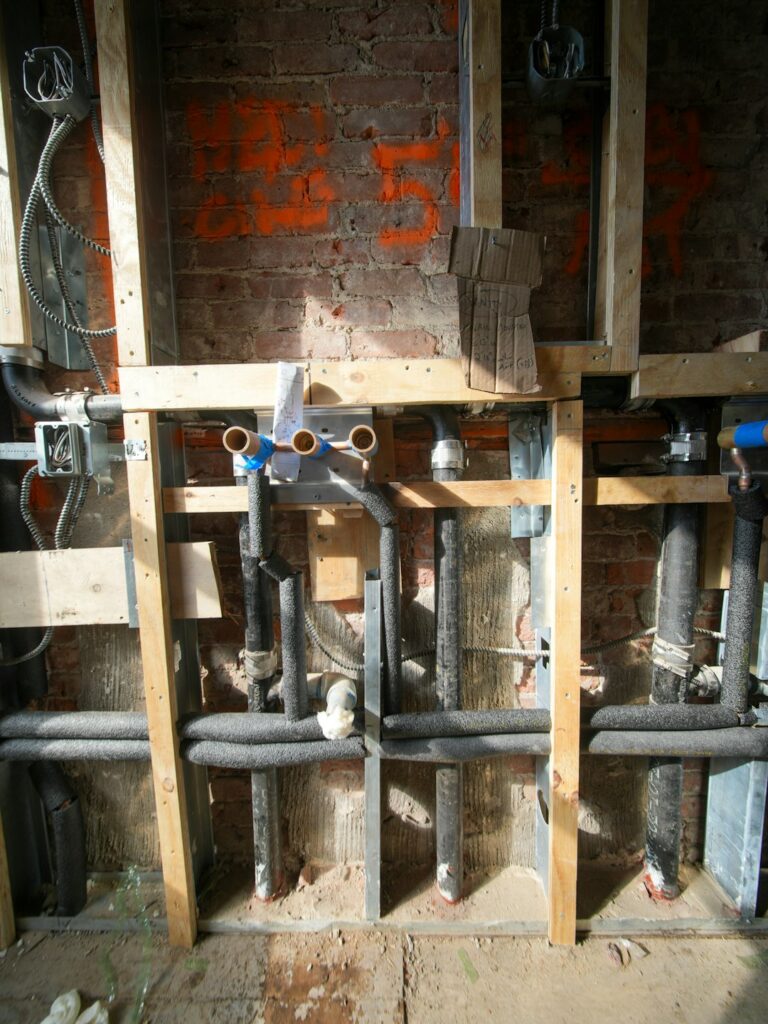
No. Some of the most serious hazards are concealed inside equipment or behind walls. A home may have clean-looking fixtures while an improperly connected boiler, irrigation line, treatment unit, or hose connection creates a pathway for backflow.
That is why cross-connection control focuses on the plumbing arrangement, not only on the appearance or taste of the water. A lack of unusual odor, color, or cloudiness does not prove that backflow has not occurred. Regular inspections, appropriate device selection, and careful household practices provide stronger protection than relying on visible warning signs.