

Backflow occurs when water reverses direction and flows from a household plumbing connection back into the drinking-water supply. The water may come from a garden hose, irrigation line, swimming pool, heating system, or another source that is not safe to drink.
For residents in Waterford, backflow is usually associated with an ordinary household activity rather than a dramatic plumbing failure. A hose left in a bucket, an irrigation system connected to buried piping, or a sudden drop in water pressure can create a pathway for contaminated water to move backward.
What causes backflow in a home?
Backflow generally happens in one of two ways: back-siphonage or backpressure.
Back-siphonage occurs when pressure in the drinking-water line drops below the pressure in a connected fixture or container. This can happen during a water-main break, firefighting activity, heavy system demand, or other interruption.
Backpressure occurs when pressure in a connected system becomes higher than the pressure in the potable-water line. Pumps, elevated tanks, boilers, and pressurized irrigation equipment can create this condition.
Both situations require a cross-connection: an actual or potential link between drinking water and a non-potable source.
Can a garden hose cause backflow?
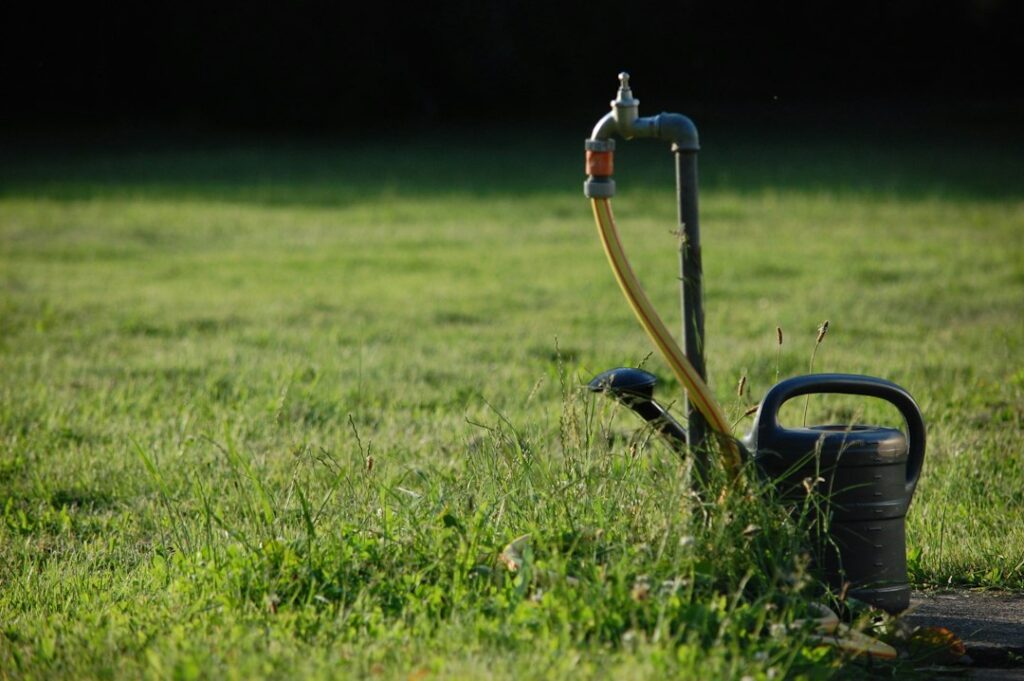
Yes. A garden hose is one of the most common residential sources of backflow because it can easily be submerged in contaminated or chemically treated water.
Examples include:
- A hose lying in a bucket of soapy water
- A hose connected to a sprayer containing weed killer or fertilizer
- A hose placed inside a swimming pool or hot tub
- A hose inserted into a rain barrel
- A hose resting in a floor drain, utility sink, or container with dirty water
If water pressure suddenly falls, the hose can act like a siphon. Water from the container may be drawn into the hose and then into the household plumbing.
A hose should never be left submerged, even if the faucet is turned off. An exterior faucet with an appropriate hose-bibb vacuum breaker helps reduce this risk, but it does not make unsafe hose use acceptable.
Why are lawn irrigation systems a significant risk?
Underground irrigation systems can contain water mixed with soil, fertilizer, lawn treatments, animal waste, or other contaminants. Because irrigation piping is often buried and includes multiple zones, valves, and sprinkler heads, it creates several possible cross-connections.
The risk increases when:
- Fertilizer or chemical injection equipment is connected to the irrigation system
- Sprinkler heads are located near areas where chemicals or waste collect
- A backflow device is missing, damaged, bypassed, or improperly installed
- Seasonal startup or winterization is performed incorrectly
- Buried piping has been altered without proper separation from the drinking-water line
Michigan’s cross-connection requirements address irrigation and other plumbing arrangements that could allow non-potable water to enter a public water supply. A backflow preventer may be required depending on the design and level of hazard. Some assemblies also require periodic testing by an appropriately qualified individual.
In a climate with freezing winters, winterization matters for another reason: trapped water can damage valves and backflow assemblies. A cracked or malfunctioning device may not provide reliable protection when the system is restarted in spring.
How can swimming pools and hot tubs create a backflow hazard?
A pool, spa, or hot tub becomes a potential backflow source when a fill hose is left below the water surface. The same concern applies to temporary hoses used for draining, cleaning, or adding treatment chemicals.
The water in these systems may contain disinfectants, body contaminants, cleaning products, or other substances that should not enter drinking-water piping. A hose connected to a faucet should remain physically separated from the water, rather than resting inside the pool or spa.
Pool equipment can also create backpressure if pumps or other pressurized components are connected improperly to household plumbing. The precise protection required depends on the plumbing arrangement and the potential hazard.
Can boilers, heating systems, and water softeners cause backflow?
Yes. Hydronic heating systems, boilers, and similar equipment may contain treated water, corrosion inhibitors, antifreeze, or minerals that are not intended for consumption.
A heating system connected directly to the potable-water supply can create a backflow risk if pressure changes occur. Proper plumbing uses approved protection and a suitable method for maintaining system pressure without allowing heating water to return to the drinking-water line.
Water softeners and filtration equipment can also become cross-connections if they are installed incorrectly, bypassed, or altered with non-approved components. The equipment itself is not automatically dangerous, but the connection must prevent treated or contaminated water from moving backward.
Are toilets a backflow source?
A toilet can present a backflow risk if a tank-fill or handheld sprayer connection does not include the required separation or protective device. The concern is greatest when a fixture or hose can become submerged below the water level in the bowl or tank.
Modern toilet components often include built-in protection, but repairs and replacements can change the original arrangement. A fill valve, bidet attachment, handheld sprayer, or cleaning device should be installed in a way that keeps contaminated water from reaching the supply line.
A toilet that is clogged or overflowing does not automatically contaminate the drinking-water system. The risk comes from an improper connection or a failed protective device.
What other residential sources are easy to overlook?

Several less obvious plumbing arrangements can create a cross-connection:
- Utility sinks with submerged hoses
- Washing-machine supply hoses placed in tubs or basins
- Rainwater collection systems connected to household piping
- Private wells or auxiliary water supplies
- Outdoor misting, pressure-washing, or chemical-injection equipment
- Decorative ponds or water features connected to a faucet
- Fire-protection or sprinkler piping connected to domestic plumbing
- Unapproved plumbing modifications made during remodeling
A connection does not have to be permanent to create a hazard. Temporary hoses and adapters can be enough if they allow contaminated water to reach the potable supply.
How can homeowners reduce the risk?
The most useful prevention steps are simple:
- Keep hose ends above the flood level of sinks, tubs, buckets, pools, and other containers.
- Do not use a drinking-water hose to transfer chemicals or other liquids.
- Make sure outdoor faucets have suitable backflow protection.
- Do not bypass, remove, or cover an irrigation backflow assembly.
- Have irrigation systems properly drained before freezing weather and restarted carefully in spring.
- Keep plumbing for private wells, rainwater, ponds, and other alternate sources physically separate from household drinking water.
- Use an air gap or approved protective device wherever a fixture could become submerged.
- Investigate unexpected water discoloration, unusual odors, or changes in pressure rather than assuming the issue is harmless.
Waterford residents may also receive information related to cross-connection inspections or backflow requirements through the local water-system program. Requirements can differ according to the plumbing arrangement, hazard level, and type of backflow assembly.
What should be done after a suspected backflow event?
If contaminated water may have entered the plumbing, stop using affected fixtures for drinking or cooking until the situation is understood. Avoid tasting the water to determine whether it is safe.
A suspected failure involving sewage, chemicals, antifreeze, fuel, or other hazardous material requires prompt attention because ordinary flushing may not remove the risk. Plumbing work, assembly testing, and required corrective measures should be handled in accordance with Michigan plumbing requirements and the applicable local cross-connection program.
Backflow prevention is not limited to large buildings or industrial systems. In a household, the most common risks often begin with a hose, a pressure change, a seasonal irrigation system, or an altered plumbing connection. Recognizing those pathways makes it easier to prevent contaminated water from moving in the wrong direction.